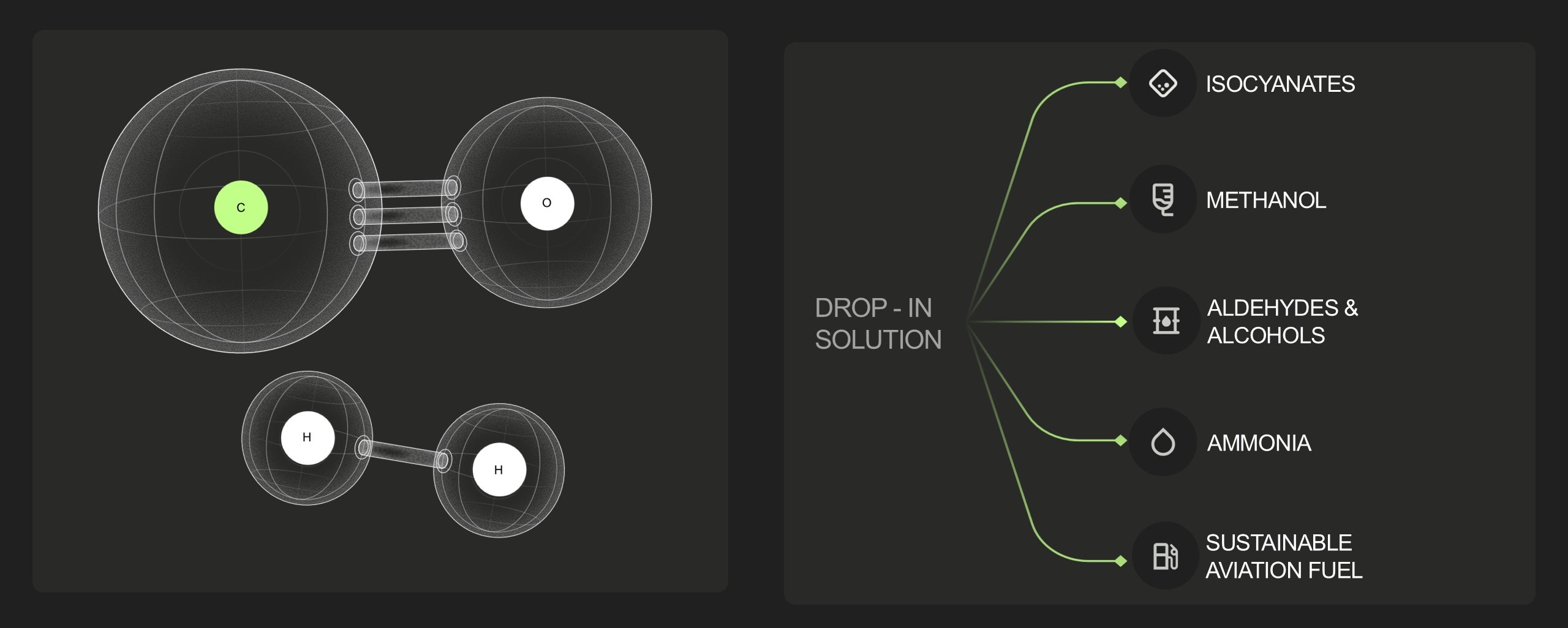
Natural gas is not only an energy issue. For the chemical industry, it is also a carbon feedstock issue. Building more resilient industrial value chains therefore requires us to rethink not only where our energy comes from, but where our carbon comes from.
For years, the debate around natural gas in Europe has focused primarily on energy: where it comes from, how secure its supply is, how much it costs, how exposed European industries are to geopolitical shifts and volatile global markets. For the chemical industry, however, there is another dimension that receives far less attention: natural gas is not only burned for energy, its carbon atoms are also used as a raw material.
The chemical industry cannot simply become carbon-free. Carbon is an essential building block for plastics, coatings, adhesives, solvents and countless other products. The real question is therefore not whether industry will continue to use carbon, but where that carbon will come from. Today, a significant share still originates from virgin fossil resources such as natural gas.
Natural gas dependency is also a feedstock risk
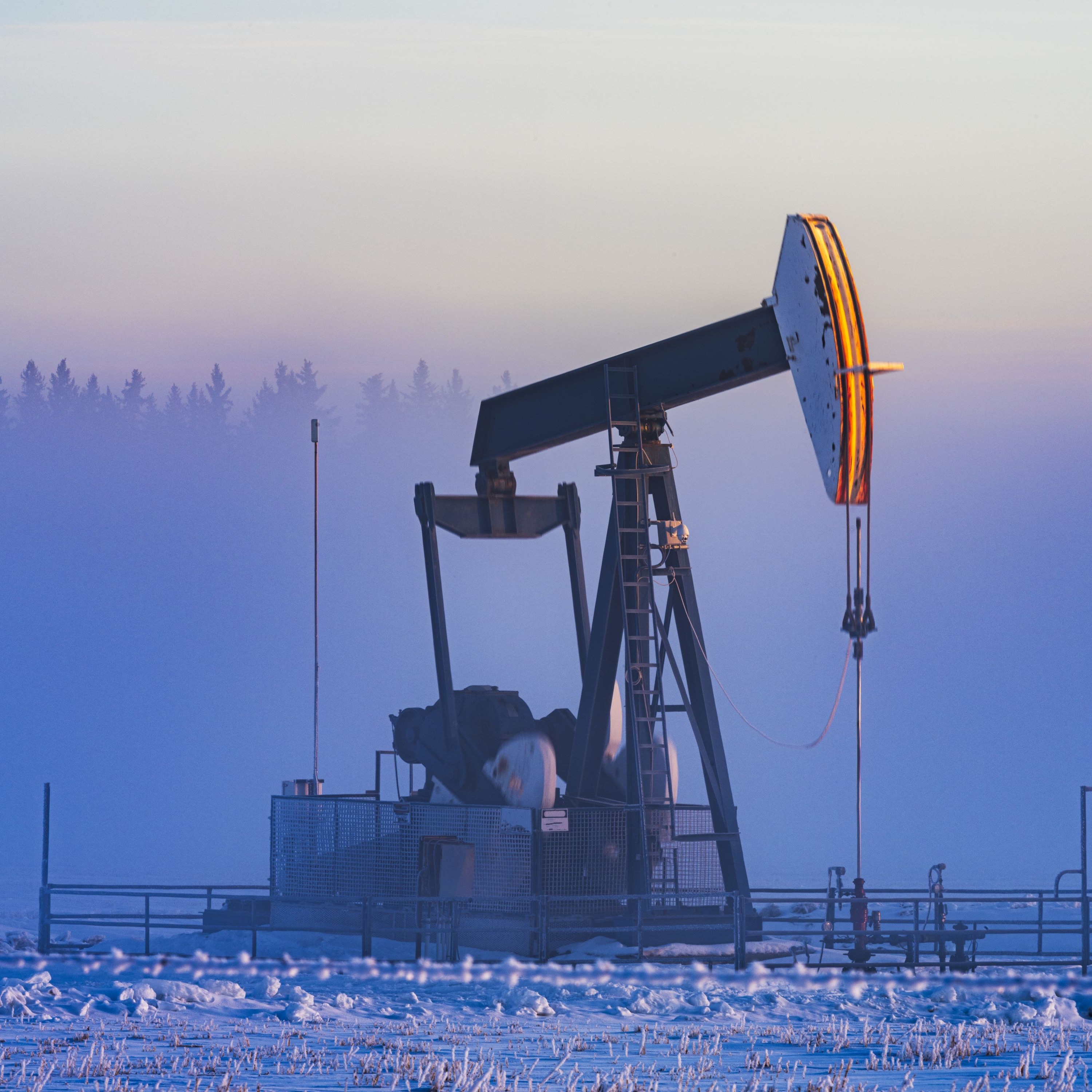
Synthesis gas (or syngas) is one of the fundamental building blocks of modern industry and is still predominantly produced from fossil resources such as natural gas or coal. This creates a structural dependency. When natural gas prices fluctuate, the impact does not stop at the energy bill. Changes in availability, price or geopolitical conditions can directly affect the economics and resilience of chemical production.
For European industry, this raises a strategic question: why should such an essential carbon feedstock remain so dependent on imported fossil resources? The answer is not complete self-sufficiency. Industrial value chains will remain global. But they can become more diversified.
If we create additional carbon supply routes from resources already available within our industrial system, we can reduce exposure to fossil feedstocks while strengthening resilience. One of those resources is all around us: waste.
We destroy one carbon resource while importing another
Europe generates large quantities of carbon-rich waste that cannot be mechanically recycled. Much of it is ultimately incinerated, releasing its carbon into the atmosphere. At the same time, industry extracts and imports virgin fossil carbon to manufacture new chemicals, materials and products.
To me, this is one of the great contradictions of our current industrial system: we destroy one carbon resource while importing another.
At Cyclize, we use proprietary plasma technology to convert complex mixed waste and CO₂ into high-quality circular syngas. Instead of viewing difficult waste streams only as a disposal problem, we can recognize the carbon they contain as a valuable secondary raw material. This creates an additional supply route for industry that can reduce reliance on natural-gas-based syngas and other virgin fossil carbon sources.
That is what resilience means to us: not isolation from global markets, but more options, more diverse feedstocks and less dependence on a single fossil route.
Resilience without competitiveness will not scale
There is, however, an uncomfortable truth that discussions around sustainability and circularity sometimes avoid: a new feedstock will not transform an industry simply because it is greener.
Chemical production operates at enormous scale and in highly competitive global markets. Any alternative to established fossil production routes must ultimately make economic sense. A solution that permanently depends on customers paying a significant green premium will struggle to achieve the scale required for real industrial transformation.
That is why cost competitiveness is a fundamental design criterion for Cyclize. We target cost levels for our circular syngas that are competitive with established fossil syngas routes at industrial scale. If circular carbon can compete economically with fossil carbon, the equation changes: waste becomes a resource, feedstock diversification becomes economically attractive and reducing reliance on natural gas no longer needs to come at the expense of competitiveness.
Circularity and resilience belong together
Resilience, competitiveness and climate impact are often discussed as separate, sometimes even competing, objectives. I believe that is the wrong way to look at industrial transformation.
By recovering carbon from waste and CO₂ and keeping it in productive use, we can reduce the need to extract additional virgin fossil carbon. That creates new feedstock options, reduces dependency on fossil resources such as natural gas and can significantly reduce greenhouse-gas emissions across industrial value chains.
Circular carbon is therefore not only a climate proposition. It is also a resilience proposition. Done well, the same technology can deliver both.
Plasma changes what is technically possible
Of course, none of this works simply because waste contains carbon. The difficult part is converting heterogeneous, contaminated and hard-to-recycle waste streams into a standardized industrial product.
This is where plasma becomes critical. Our proprietary plasma technology provides the energy required to break down and reform complex carbon-containing materials into synthesis gas. Because the process is electrically powered, its energy input can be supplied from renewable electricity.
The result is not a niche recycled material that requires an entirely new industrial ecosystem. It is syngas, a platform molecule industry already knows and uses across multiple value chains. Syngas can serve as a feedstock for chemicals and materials, as a building block for synthetic fuels, or in energy applications.
This versatility is an important strength. Cyclize creates a new, circular source of syngas from waste and CO₂, opening pathways across chemical, fuel and energy markets without relying on virgin fossil carbon as the primary carbon source. We are not developing an entirely new molecule and asking industry to build a new world around it. We are changing where the carbon comes from while producing a familiar and widely applicable industrial intermediate.
Natural gas does not have to disappear for its role to change
The transition away from fossil feedstocks will not happen overnight, nor does building resilience require pretending that natural gas will suddenly disappear from industrial value chains. The more relevant question is whether natural gas needs to remain the default source of carbon wherever syngas is required.
We believe the answer is no.
Circular syngas creates an additional route. For chemical producers, it can reduce reliance on natural-gas-based syngas. For fuel producers, it can provide a circular carbon platform for synthetic fuels. For other industrial applications, it provides another way to source syngas without depending exclusively on virgin fossil carbon.
The strategic opportunity is therefore larger than simply replacing one raw material. It is about diversifying the industrial carbon supply.
The chemical industry needs a carbon supply strategy
The future of European industry is often discussed in terms of energy prices, regulation, infrastructure and access to natural gas. All of these matter. But for carbon-based industries, we also need to talk about security of carbon supply.
As long as the carbon embedded in chemicals and materials predominantly originates from virgin fossil resources, industrial value chains remain exposed to fossil feedstock markets economically, geopolitically and environmentally. At the same time, enormous quantities of carbon are already circulating above ground — in products, waste streams and CO₂.
Instead of continuously extracting new fossil carbon, we should become much better at recovering and reusing the carbon we already have.
That is the opportunity behind circular carbon: competitive circular syngas, more resilient industrial value chains, reduced dependence on natural gas and other virgin fossil feedstocks, and carbon kept in productive use for longer with lower greenhouse-gas emissions.
This is the industrial transformation we are working toward at Cyclize.
The chemical industry will always need carbon. We canchange where it comes from.
Numbers below, sources: Energy Institute (Statistical Review of World Energy/2024); UN Environment Programme (UNEP, Emissions Gap Report 2024); Waste Management & Research / Global Material Flow Analysis (estimates; 2022) estimates